
Lotus seed is the crunchy, round seed of the lotus plant. People enjoy lotus seeds raw, roasted, or boiled. Across Asia, cooks incorporate them into soups, desserts, and snacks. Each seed tablets from the pod of the lotus flower, which flourishes in ponds and lakes. The seeds have a subtle, nutty flavor and a soft crunch. Most pick lotus seeds because they’re packed with protein and fiber. Some even say they’re healthy, like aiding sleep and digestion. Lotus seeds are simple to incorporate into both savory and sweet recipes, catering to most dietary needs. The following sections will cover in detail their benefits and uses.
What Are Lotus Seeds?
Lotus seeds, particularly the edible lotus seeds from the Nelumbo nucifera plant, are tiny, delicious seeds that grow in shallow ponds and lakes across much of Asia. These seeds are generated within circular green pods that develop after the lotus flowers bloom and wilt. Each pod can hold up to two dozen seeds, each bursting with nutrition and taste. They come in various lotus seed varieties, like white lotus seeds or brown peel lotus seeds, and are often referred to as makhana or fox nuts in certain regions, celebrated for their superfood status.
1. Botanical Profile
Nelumbo is a plant genus of aquatic perennials, recognizable by their impressive flowers and leaves that float. These lotus varieties grow in shallow water, often blanketing the surfaces of quiet ponds and lakes. They have large, circular leaves, vibrant pink or white blooms, and extensive rhizomes that secure them in the mud beneath. Their lifecycle begins with lotus seed development, where seeds sprout in the water, sending shoots that become leaves and flowers. Once pollinated, the flowers shed their petals, and seed pods begin to swell, containing the developing lotus seeds.
2. Physical Traits
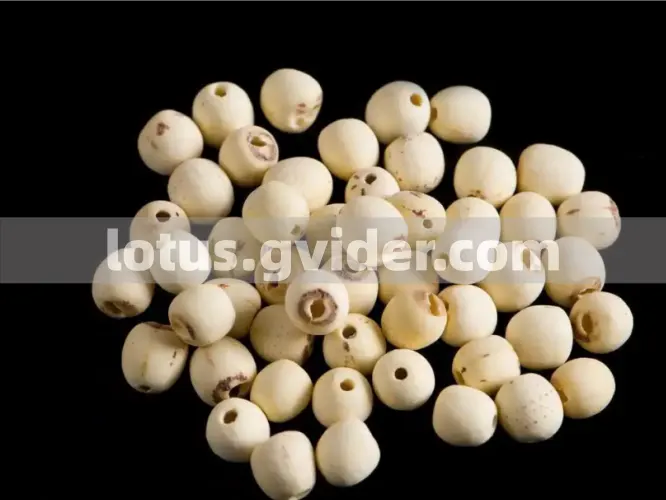
Lotus seeds are oval in shape, measuring approximately 1 to 1.5 cm in size. Fresh lotus seeds are plump with a chewy bite, while dried seeds become hard and should be soaked overnight to soften. The color of lotus seed varieties varies from white and ivory to brown, depending on the variety and whether the outer peel is removed. This thick and tough seed coat helps protect the seed within from moisture or pests, contributing to their impressive seed longevity.
3. Flavor Notes
Lotus seeds have a mild, slightly sweet, and sometimes bitter taste. Dried seeds are crunchy and popular as a snack, while fresh lotus seeds are softer and chewier. Their mild taste serves as a blank flavor canvas for spices or sauces in both sweet and savory dishes. When roasted or cooked, they develop a light caramel flavor, enhancing their appeal. In East Asia, lotus seed paste is ground for use in sweets like pastries and custards, showcasing the versatility of these nutritious seeds.
4. Common Forms
Lotus seeds are mostly carbohydrates and proteins, with a very low fat content, making them a great treat for health-conscious people. They are rich in fiber, which aids digestion and keeps you satiated, contributing to their appeal in the lotus seed industry. In Asia, fresh lotus seeds are frequently available, and you can enjoy them plain, pulverize them into a powder for drinks, or blend with honey as a cough medicine.
The Nutritional Value
The real star of lotus seeds is their nutritional content, which aligns well with a lot of diets, particularly those focused on plant-based options. Their nutritional profile resonates with consumers who demand low-calorie choices that provide sustained energy. A single cup serving contains just 106 calories, making fresh lotus seeds appealing to a number of diets. Each serving delivers 21 grams of carbs, primarily complex, that digest slowly and help satiate. That serving also provides around 5 grams of protein, making it an interesting plant-based protein option. With just 1 gram of fat and no cholesterol, it’s light and heart-healthy. These seeds help fuel your body with clean energy due to their combination of carbs and protein, while the low fat content keeps things balanced for those counting calories.
Macronutrients
They’re rich in B vitamins such as thiamine (0.2mg, 17% DV), vitamin B6 (0.2mg, 15% DV), and folate (33μg, 8% DV), which are essential for vitality and cognition. As a good source of potassium (438mg, 9% DV), magnesium (67mg, 16% DV), and phosphorus (200mg, 29% DV), they also provide iron (1mg, 14% DV), copper (0.1mg, 12% DV), and a small dose of zinc (0.3mg, 3% DV), all supporting the body’s fundamental requirements. With just 2mg sodium per cup, these lotus seed varieties remain low-salt diet friendly. Their pH of -5.6 yields an alkaline effect which some believe assists with lotus seed longevity in the body.
Micronutrients
The minerals in lotus seeds aid muscle work, nerve signals, and keep bones strong. B vitamins play a significant role in allowing your body to utilize energy from food. Iron and copper assist with cell creation in the blood, while zinc supports the immune system. Additionally, the antioxidants found in fresh lotus seeds combat stress at the cellular level. These nutrients work synergistically, providing whole-body support.
Bioactive Compounds
Lotus seeds, known for their medicinal properties, contain bioactive compounds such as flavonoids and procyanidins. These seeds exhibit anti-inflammatory properties that could relieve inflammation or pain. Their antioxidant punch combats cell stress that causes aging and can stall signs of aging. Lotus seed alkaloids show up in health routines across cultures for their calming effects, while the fiber in the seeds supports gut health.
Health Benefits of Lotus Seed
Lotus seeds are more than just a mild nutty flavor; they are a vital source of nutrition, offering a nutrient bundle that provides your body with a soft burst of energy. High in fiber, minerals, and protein, these edible lotus seeds can be the centerpiece of both ancient and contemporary wellness regimes.
Digestive Health
Fiber in lotus seeds helps things flow in your gut, resulting in more consistent, less stressful bowel movements. A lot of us are plagued with constipation and high-fiber foods like lotus seeds can alleviate that pain. Their natural fiber keeps the gut lining healthy, meaning less upset stomachs and bloating. Consuming lotus seeds can calm the digestive system, which is why it’s a trusted remedy for individuals with delicate digestion.
You can stir them into your porridge, mix them into salad, or eat them straight up as a snack. By sprinkling them into your daily meals, you receive a dose of digestive aid with minimal effort.
Anti-Aging
Lotus seeds are brimful of antioxidants, particularly kaempferol. These antioxidants battle free radicals, the rogue molecules that accelerate aging in skin and organs. If you eat lotus seeds regularly, they can help you achieve brighter, firmer skin and assist your body’s natural repair process. Others experience less fine lines and a healthy glow.
The seeds assist cells to repair themselves due to their combination of vitamins and minerals. Over time, this can help keep skin and tissues youthful and strong.
Mental Calm
Lotus seeds are extremely calming. They have compounds that soothe the nerves and calm anxiety, helping you to unwind after a busy day. In numerous herbal concoctions, lotus seed extract is incorporated to aid with stress and sleep, which is a testament to time-honored traditions of appreciating mental peace as an aspect of well-being.
Looking after your mind is as important as looking after your body. Lotus seeds offer a soothing and holistic approach to mental wellness.
Heart Support
Lotus seeds benefit your heart in multiple ways. Their fiber aids in lowering cholesterol, whereas potassium keeps blood pressure steady. They’re loaded with magnesium that keeps your heart muscle and nerves functioning properly. The anti-inflammatory properties provide additional cardiovascular protection.
Sprinkling some lotus seeds into a wholesome diet can help maintain a healthy heart and prevent disease before it begins.
Culinary Versatility
You may have seen edible lotus seeds in a comforting soup, a sweet Asian dish, or as a salad topping for crunch. They’re popping up more in snacks too, roasted, puffed, or seasoned. With their gentle flavor, these lotus seed varieties suit both new dishes and old standbys, from rice bowls to smoothies.
Lotus Seed in Global Cuisine
Lotus seed makes appearances in cuisines worldwide, particularly in Asian cuisine, where fresh lotus seeds are highly valued. Their subtle, sweet flavor with undertones of bitterness allows them to shine in both savory and sweet dishes. Prized for their nutritional components, lotus seeds are loaded with protein, carbohydrates, and minerals like manganese and phosphorus. As the top grower and consumer of lotus seed, China markets both fresh and dried varieties throughout the country.
Savory Dishes
Lotus seeds lend a mild crunch and velvety creaminess to soups, stews, and stir fries. Cooks will add soaked dried lotus seeds to chicken or pork soups in Chinese cuisine. Others drop them in congee, a rice porridge, where they soften and impart a delicate nutty flavor. Indian curries will occasionally mix lotus seeds with spices and vegetables for a hearty, satiating dish. Throughout Southeast Asia, lotus seeds mingle with mushrooms and tofu in savory braises.
They go extremely well with ginger, scallions and dark soy sauce, absorbing flavor and holding their shape at the same time. In certain areas, the seeds are toasted prior to being incorporated into recipes, thus evoking a richer scent and texture. Preparation styles vary, and the seeds’ mild taste complements spicy and salty tones in all sorts of dishes.
Sweet Desserts
Lotus seed paste stars in Chinese moon cakes, providing their thick, sweet heart. Pastries and custards in Japan and Vietnam utilize this silky paste, mixing it with sugar or honey for additional sweetness. Thanks to the seeds’ natural sweetness, less sugar needs to be added, creating desserts with a more balanced flavor.
Lotus seed desserts are even more prevalent around festival and holiday seasons. Their creamy texture plays in puddings, ice creams, and even shaved ice toppings. Other bakers use ground lotus seeds in cookies or blend them into smoothies, discovering fresh ways to enjoy their subtle sweet taste.
Modern Snacks
Roasted seeds of lotus are a favorite BBQ snack that is crunchy and light. Health shops market them raw or spiced with chili and salt. A lot of us grab them instead of chips or popcorn because they have high protein and low fat. Snack companies are mixing lotus seeds into bars or granola mixes, targeting health-conscious diners.
Their crunchy bite makes them a blast to chow down on by the handful, and they’re super simple to score at natural food markets and online. Certain brands cover them with chocolate or caramel for a fun indulgence.
Symbolism and Tradition
Lotus seed in global cuisine. They appear in paintings and verses, even weddings as a symbol of hope and life. In celebrations like the Lotus Festival, they incorporate lotus seeds into special meals and offerings.
In traditional medicine, crushed lotus seeds combined with honey are said to ease coughs and induce sleep. The seeds’ significance goes beyond the plate—they are woven into ceremony, medicine, and folklore.
Cultural Significance
Lotus seeds, particularly the edible lotus seeds, are rich with cultural significance, influenced by centuries of tradition and superstition. They’re not just sustenance or medicinal; their potent emblems of vitality, cleanliness, and optimism are celebrated throughout Asia and beyond.
Symbolism
Lotus seeds are frequently encountered in religious ceremonies, where they symbolize lotus seed longevity. In Hindu temples, worshippers offer the seeds to gods, praying for blessings. Buddhists string fresh lotus seeds into prayer beads or malas, tallying each seed as they chant. In Taoist ceremonies, the seeds represent yin and yang. Certain cultures, such as in China, employ these seeds during weddings and the Lunar New Year to hope for many children and a joyful family. In India, lotus seeds are ubiquitous at Diwali, symbolizing illumination and the start of a new cycle.
Lotus seeds appear in art and everyday life. Old Chinese paintings and poems employ the lotus to discuss integrity and nobility. The Dunhuang cave murals, dating back more than a millennium, depict monks meditating among lotuses, an homage to tranquility and splendor. The white lotus symbolizes purity in Buddhist iconography, while the pink lotus represents enlightenment. These meanings seeped into jewelry, textiles, and even home decor, turning the lotus into more than just a plant.
They use lotus seeds in meditation. Others think clutching or tallying them aids concentration and inspires mental clarity. This ritual, common among Buddhist and Hindu sects, binds the participant’s mind to the concept of spiritual cleansing and rebirth, emerging pure and renewed, lotus-like, from muddy waters.
Rituals
In ancient herbal lore, healers prized lotus seeds for their mind-soothing and body-strengthening properties. Ancient Indian and Chinese writings include them among remedies for insomnia, gastrointestinal issues, and anxiety. Even today, certain cultures utilize lotus seeds in teas and soups to enhance wellness.
It’s newer research that examines lotus seeds for their antioxidants and nutrients. They’re a curiosity for researchers who care about their potential role in heart health and combating aging. Some herbal brands are now incorporating lotus seeds into supplements and wellness products.
So scientists continue to try these claims and find out what these seeds can really provide. Each new discovery only adds to centuries of faith in this unassuming seed.
Medicine
Farmers are inventing to cultivate lotus seeds to increase harvests. They employ superior irrigation and selective seeds to achieve robust harvests. Certain nations hold dedicated ponds for purer, superior quality seeds.
After they’re harvested, seeds are dried, shelled and sorted so they stay fresh. Experienced craftsmen inspect every batch manually. Certain farms have begun using reduced amounts of water and chemicals, which assist the environment and maintain healthy local lakes.
There is an increasing international demand for lotus seeds. As folks discover their applications, the industry delivers jobs and revenue to farm families. Who knew the humble lotus seed with its lengthy past would get involved in contemporary markets and sustainable agriculture!
The Modern Lotus Seed
Lotus seeds hold significant cultural importance across various societies, revered for their flavor, nutritional benefits, and application in culinary and traditional medicinal practices. Cultivating these edible lotus seeds begins by selecting robust seeds and immersing them in fresh, shallow water. They require sun, consistent heat, and water that remains still. Typically, farmers choose between brown peel seeds, which are ripened, and white seeds, which are picked younger. Each has a separate culinary or health application. The finest seeds come from fertile mud, with the majority harvested between late summer and early fall when the pods accumulate fullness. Getting high-quality seeds begins with the right plants and good care, reflecting the importance of lotus seed quality in the industry.
Cultivation
Once picked, lotus seeds undergo a meticulous preservation process to maintain their freshness and usability, which is essential for ensuring high lotus seed quality. Most are sun-dried, enhancing their longevity and shelf life. Some are ground to remove the brown skin, allowing for easy incorporation into sweets or lotus seed paste. Quality control remains crucial, as some vendors may bleach seeds with hydrogen peroxide or sodium hydroxide, adversely affecting their nutritional components. Reputable dealers ensure safe processing, while new machines dry and mill seeds faster, helping retain their nutrients. Soaked overnight, they become soft enough for soups, curries, and congee.
Processing
Lotus seed farming is becoming greener with less chemicals and more natural pest control. By allowing plants to go wild around the edges, farmers create an environment that encourages bees and other beneficial insects, which is vital for seed development. Additionally, guarding ponds and wetlands where lotus grows not only sustains local birds and fish but also supports the lotus seed industry by promoting the harvest of high-quality edible lotus seeds.
Sustainability
Lotus seeds, rich in B vitamins and essential minerals like manganese and phosphorus, offer a subtle, sweet flavor with a hint of bitterness, making them ideal for various dishes. From Chinese mooncakes filled with lotus seed paste to Japanese desserts and homemade soups, these seeds are a staple in the lotus seed industry. Their nutritional benefits and connection to tradition ensure their global appeal.
Conclusion
Layley has a long story, from ancient ponds to street food stalls. Folks all over use it in soups, snacks, and sweets. The seed contains protein, fiber, and important minerals. A lot of people eat it as an energy snack or mix it in dishes for a mild, nutty flavor. Others view it as a fortuitous fare or attach it to ancient traditions and ancestral legends. Today, it is discovered in health stores, bagged up or blended into hip bites. Little seed, huge impact. Give it a whirl in your own dish—throw it in soup, bake them in bread, or munch on them straight. Post your path or trade tips with pals. So, the plot thickens.
Frequently Asked Questions
What are lotus seeds?
Lotus seeds, known for their edible quality, are the seeds of the Nelumbo nucifera plant, which is cultivated in Asia and produces various lotus seed varieties within its seed pods.
Are lotus seeds healthy to eat?
Well, fresh lotus seeds are healthy, as they’re low in fat, high in protein, and packed with key minerals like magnesium and potassium.
How can lotus seeds be used in cooking?
Lotus seeds, known for their chewy texture, can be consumed raw, roasted, or boiled, and are often used in soups, desserts, and traditional delicacies across numerous countries.
Are lotus seeds gluten-free?
Yes, lotus seeds, particularly fresh lotus seeds, are naturally gluten-free and safe for those with gluten intolerance.
What do lotus seeds taste like?
Lotus seeds, known for their chewy texture and subtle sweetness, can be enjoyed in various forms, including fresh lotus seeds and roasted varieties.
Where are lotus seeds commonly used?
Lotus seeds, known for their nutritional components and medicinal properties, are popular in Asian cuisine, especially in China, India, and Japan, where fresh lotus seeds are used in traditional medicine and snacks.
Can lotus seeds be eaten raw?
Yes, fresh lotus seeds can be consumed raw, but they are usually prepared or roasted for enhanced flavor and easier digestion.
Article author: Gvider | Lotus Supplier
Original source: https://lotus.gvider.com/what-is-lotus-seed/
