
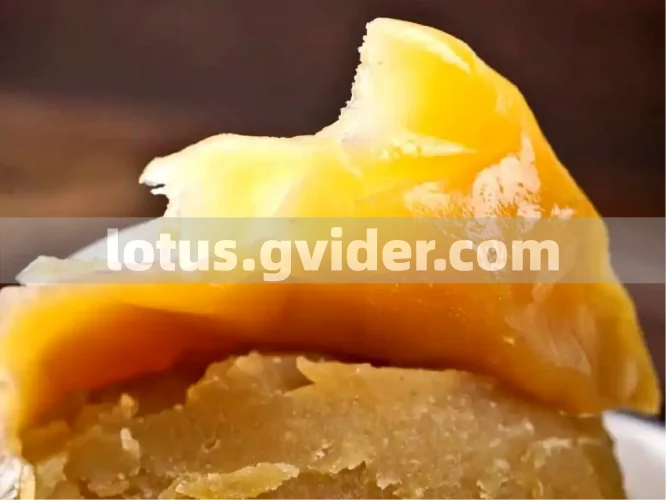
Lotus seed paste is a sweet paste made from dried lotus seeds commonly used in Asian pastries and desserts. This paste is smooth and thick in texture, with a subtle, nutty taste. It is used in mooncakes, buns, and rice dumplings for flavor and tradition. White lotus seed paste is valued for its light color and smooth texture, while yellow or brown varieties result from extended cooking or added syrup. There are ready-made lotus seed pastes in the markets, but some prefer homemade as it is fresher and they have control over the sweetness. The paste is sometimes mixed with nuts or salted egg yolks. To see how lotus seed paste is made, used, and stored, the next sections break down steps and common uses in detail.
What is Lotus Seed Paste?
Lotus seed paste, a sweet filling made from dried lotus seeds cooked and blended with sugar, creates a smooth paste that features prominently in numerous Asian desserts, especially mooncakes and steamed buns. The main ingredients, lotus seeds and sugar, provide a distinctive sweetness, while some recipes enhance the flavor with oil or maltose for added richness. This sweet paste dessert filling holds significant cultural importance in Buddhist rituals and Asian cuisine.
1. The Origin
Lotus seed paste, a beloved ingredient in Chinese cuisine, dates back to ancient China, where the lotus was prized for both food and symbolism. Over centuries, cooks in Hunan and Hong Kong have developed the role of lotus seed paste in local dishes. This sweet paste dessert filling has become popular in Chinese-speaking communities throughout Asia, often associated with significant occasions like the Mid-Autumn Festival, where lotus mooncakes are a symbol of festivity and togetherness.
2. The Flavor
Lotus seed paste has a delicately sweet flavor with a subtle nutty undertone, making it interesting in desserts like mooncakes. White lotus seed paste, derived from hulled seeds, is even milder and smoother, perfect for creating sweet pastries. Some recipes incorporate maltose, which adds a deep sweetness and shiny luster, making it suitable to pair with salted egg yolk or red bean for a balanced flavor in traditional Chinese cuisine.
3. The Texture
When prepared well, lotus seed paste is smooth and dense, spreading effortlessly into buns or cakes. The objective is a fine, lumpy-free paste, which requires patient cooking and mashing. The texture can vary; more oil means softer and using less sugar results in firmer consistency. So long as you blend the paste long enough, there’s no reason it shouldn’t be smooth through and through.
4. The Significance
Lotus seed paste is not just a dessert filling; it represents purity and longevity in Chinese culture. Commonly used in lotus mooncakes, it serves as a temple offering and is a staple at family gatherings to pay reverence and wish for good luck. Many people swear by it as a health supplement, citing its heritage in TCM, as the lotus plant is sacred in Buddhist ceremonies.
5. The Variations
There’s white lotus seed paste in double yolk mooncakes or mixes with red bean. The region where it’s made alters the flavor and consistency, with lighter southern versions to heartier northern ones. Some bakers infuse salted egg yolks, nuts, or other fillings for special touches. More than just mooncakes, lotus seed paste finds its way into steamed buns and pastries and even occasionally ice cream.
How to Make Lotus Seed Paste
Making homemade lotus seed paste begins with a handful of fundamental maneuvers that anyone can learn to do. It just depends upon good ingredients, patience, and a little care. Soaking, cooking, blending, and finishing all contribute to making a paste that is smooth, sweet, and rich. Using top-notch pure lotus seeds makes all the difference. A few like their paste less sweet, while others prefer more caramel notes, so it is easy to adjust the recipe. Batch preparing lotus seed paste is convenient, keeps great, and is a timesaver for future recipes.
The Ingredients
- Dried lotus seeds (approximately 250 grams for a small batch)
- White sugar or other preferred sweetener (80–120 g)
- Neutral vegetable oil (sunflower or canola, 40–60 ml)
- Maltose or honey (1–2 tablespoons, optional but recommended)
- Water
Maltose provides the white lotus seed paste with a glossy, caramelized finish, while oil assists with smoothness; however, some omit it for a lighter texture. When shopping for ingredients, look for lotus seeds that are light-colored and not cracked or speckled, as these are essential for making delicious lotus mooncakes. Asian grocery stores tend to have the freshest supplies.
The Preparation
- Rinse the lotus seeds well to eliminate dust and debris.
- Soak seeds in water for 8 hours or overnight.
- Pop out the green cores. These are bitter and taint the taste.
- Simmer in a pot for two hours or pressure cook for fifteen to twenty minutes until tender.
Washing the lotus seeds removes any musty flavors, ensuring a fragrant lotus paste. Watch your cooking, as seeds that are overcooked make the white lotus seed paste too mushy.
The Cooking
- Drain and grind seeds with just enough water to make a thick slurry.
- Add sugar and maltose to the purée.
- Add oil a little at a time, stirring over low heat.
- Continue stirring until the paste appears shiny and springs from the pan.
Begin with a small amount of regular sugar for your lotus paste, then taste and add accordingly. Low heat is key to prevent scorching or lumping.
The Finishing
Sieve for a smooth purée if you desire this latter. Keep the white lotus seed paste in a clean, sealed container in the refrigerator for up to a week or freeze. The paste thickens upon cooling and is convenient for molding in lotus mooncakes. Taste and adjust the sugar or add a splash of oil before using.
Common Culinary Uses
Lotus seed paste is a common ingredient in many Asian dishes, prized for its smooth consistency and subtle flavor. Its blank flavor canvas means it slots into many sweet and savory styles, with the seeds often exported from India and other Asian countries. Lotus seeds have a long history in Chinese cuisine and Traditional Chinese Medicine as well. These seeds are boiled until soft, typically for 30 minutes, then ground to a purée. This pure lotus seed paste forms the base for numerous traditional and contemporary dishes.
- Filling for mooncakes, steamed buns, and pastries
- Sweet soups, congee, and rice desserts
- Snack paired with tea
- Topping or mix-in for salads and savory soups
- Base for traditional and modern sweets
The most well-known application for lotus seed paste is in mooncakes. These circular, stuffed cakes are integral to the Mid Autumn Festival, a family-centric holiday throughout Asia. As the main filling, the paste is often combined with salted egg yolks or nuts, such as in the popular lotus mooncakes. Many folks seek out the silky texture and subtle sweetness of lotus seed paste when selecting mooncakes. These cakes make excellent gifts, demonstrating thoughtfulness and appreciation. With the mooncake tradition passed down through the years, lotus seed paste represents togetherness.
Lotus seed paste appears in steamed buns and baked pastries. These sweet buns with filling are a staple at bakeries, dim sum, and street markets. The paste’s slickness provides a marked contrast to the pillowy dough. Beyond buns, the paste finds its way into turnovers and puffs and is even layered within cakes. Sweet soups and rice desserts incorporate lotus seed paste for a rich, earthy touch. Sometimes, dried lotus seeds function like croutons for your salad, soup, or congee, contributing a nutty crunch.
Lotus seed paste goes well with tea! It is frequently presented as a snack, particularly at tea houses or small social gatherings. The soft, slightly sweet filling balances the astringency of black or green tea. This is a common pairing in Asia and is catching on around the globe.
A Nutritional Profile
Lotus seed paste is a velvety smooth filling featured in many classic Asian desserts, particularly in lotus mooncakes. Its nutrition facts go a long way to explaining why folks flock to it for both taste and balance. Here’s a table for a quick peek at its key nutrients per 100 g.
| Nutrient | Amount per 100g |
| Energy | 368 kcal |
| Carbohydrates | 45.2 g |
| Protein | 6.7 g |
| Fat | 18.9 g |
| Sugar | 16 g | | Fiber | 0.8 g |
| Iron | 1.6 mg |
| Calcium | 50 mg | | Sodium | 236 mg |
Lotus seed paste contains 368 kcal per 100g, which is on the high side compared to some other sweet fillings. It is less dense than several nut pastes, such as almond or peanut, which can top out at 600 kcal per 100g. This makes white lotus seed paste a middle ground selection for those who want something sweet but do not want the highest calorie option. The macronutrient blend is 46% carbs, 47% fat, and 6% protein, with 16g of sugar per 100g. For instance, fruit jams might contain more sugar, whereas chocolate or nut spreads tend to provide more fat and a greater calorie density.
The vitamins and minerals in lotus seed paste give it a small but real part to play in a well-balanced diet. Every 100-gram serving delivers 1.6 mg of iron, which is approximately 13% of a grown-up’s requirements. It has 50 mg of calcium and 0.8 grams of fiber. It is not a high-fiber food, but it provides some digestive benefit. The iron and calcium contribute to healthy blood and bones, and a pinch of sodium (236 mg) assists in fluid balance and nerve function.
So for a healthier dessert option, lotus seed paste is a good bet. It’s lower in calories than a lot of nut or chocolate spreads and has less sugar than most jams. The protein, fat, and carb synergy provides consistent energy, making it a reliable substitute for cakes or desserts, particularly for those who prefer to steer clear of heavier or more refined fillings.
Beyond the Sweetness
Lotus seed paste isn’t merely a sweet filling; it’s a multifunctional, centuries-old ingredient lauded for its flavor and cultural significance in Chinese cuisine. Its sticky, glossy texture is derived from a meticulous mixing of soaked lotus seeds with oil and brown rice syrup, showcasing the craftsmanship behind sweet pastries.
A Personal Reflection
When I first sampled lotus seed paste, it was the lustre and silkiness that impressed me. The texture was dense but not heavy, as a result of the oil and maltose. Preparing it at home involved soaking the seeds overnight and then hours of stirring over a low flame. It’s not fast, but the payoff is a fragrant, fresh paste that left the kitchen with a gentle nutty aroma.
Others are simply boring, it provides a sense of community. Every batch harkens back to holidays spent moulding mooncakes or steaming baozi. Families unite, swapping tales as they labor and handing down techniques that span centuries. Lotus seed paste connects us back to our roots, every bite a taste of heritage.
Experimenting with new recipes, such as incorporating lotus seed paste onto toast or into yogurt, adds a contemporary twist. It welcomes new memories. Cook with it just once and create new traditions for anyone bold enough to try.
A Cultural Bridge
Beyond its sweetness, lotus seed paste unites individuals and cultures. Though it’s a staple of Chinese mooncakes and pastries, you’ll find it in sweets and buns throughout Asia, from Vietnam to Malaysia. Every country adds their own twist, some with more maltose and others with sesame or beans mixed in.
At festivals, it’s lotus seed paste that tends to steal the show. Mooncakes filled with the paste are gifted, a sign of togetherness and harmony. These traditions transcend boundaries, mixing the old with the new as we exchange recipes in our kitchens.
This humble paste is more than sustenance. It represents common heritage, tolerance, and the fun of mutual teaching. Homemade or store-bought, it welcomes all to savor a slice of tradition.
Proper Storage Methods
Lotus seed paste requires proper storage to maintain its flavor and consistency, especially when used in delicious lotus mooncakes. Storing it right protects the gentle honey notes and allows you to enjoy it later. Once you’ve made the paste, allow it to cool down a bit. This is a crucial step prior to any storage, as warm paste could sweat and spoil more quickly.
For short-term use, keep lotus seed paste in the fridge. Use an airtight container, as this keeps out moisture and outside smells. Glass jars with tight lids or good plastic boxes work well for preserving the quality of your lotus seed filling. The paste can stay fresh in the refrigerator for up to two weeks. If you plan to use it the next day, just cover and chill it. For bigger batches or longer storage, freezing is the way to go. Scoop the paste into smaller airtight containers or strong freezer bags, ensuring you squeeze out as much air as possible. This slows down freezer burn and keeps the paste from drying out, allowing it to last for months in the freezer, ready for when you need it.
As far as storage containers, opt for something that seals tight and is designed to handle cold. Glass canning jars with screw-on lids and freezer-specific hard plastic containers are sure bets. If you’re using a bag, smash it flat to save space and help it freeze more quickly. Be sure to label each container or bag with the date. This helps you keep track of how long it’s been stored, so you always use the freshest paste first.
Always test the paste. If your milk smells sharply sour or has strange colors or mold on the surface, it’s bad. If the paste is slimy or appears different than when you originally stored it, discard it. Proper lotus seed paste should have a nutty and sweet aroma, not an off smell. If you keep the paste well covered, it prevents it from absorbing odors from other fridge or freezer foods, like fish or strong cheese.
Conclusion
Lotus seed paste is known for its smooth texture and subtle flavor. Bakers and home cooks alike use it in lots of sweet and savory dishes. It carries protein, fiber, and essential minerals, worthy of regular meals or indulgent stints. A lot of people like it in mooncakes, steamed buns, or even on a slice of bread. When well stored, it can last for weeks and maintain its flavor. Conveniently, stores carry pre-made paste now, but homemade varieties give you control over taste and sweetness. For tips on how to utilize lotus seed paste or easy recipes, visit your favorite trusted cook or food blog. Give it a whirl in a recipe to find out how it can work in your own kitchen.
Frequently Asked Questions
What is lotus seed paste made from?
Lotus seed paste, made from dried lotus seeds, water, and a sweetener, serves as a smooth purée that creates a creamy filling for delicious Asian desserts like mooncakes.
How does lotus seed paste taste?
With a mild, slightly sweet flavor, the smooth and creamy texture of white lotus seed paste makes it a favorite in pastries and mooncakes.
Is lotus seed paste healthy?
Lotus seed paste, often used in sweet pastries, provides a bit of protein, fiber, and minerals, but it can be sugary, so I’d recommend moderation for a well-rounded diet.
What are common uses for lotus seed paste?
Lotus seed paste, especially the white lotus seed paste, is often employed in mooncakes, steamed buns, and pastries, making it a prized ingredient in Asian cuisine for its flavor and consistency.
Can people with nut allergies eat lotus seed paste?
Lotus seed paste, a nut-free option made from pure lotus seeds, is essential in many sweet pastries, but always verify labels for any potential nut cross-contamination during processing.
How should lotus seed paste be stored?
If you want to keep lotus seed paste, store it in an airtight container in the fridge. Use it within a week or freeze it for longer storage.
Is lotus seed paste suitable for vegans?
Old-timey lotus seed paste recipes use solely plant-based ingredients, making them vegan-friendly. Be cautious of added animal products in commercial preparations, especially in sweet paste dessert fillings.
Article author: Gvider | Lotus Supplier
Original source: https://lotus.gvider.com/what-is-lotus-seed-paste/
