
Well, in the way we cook lotus seeds, people usually soak the seeds in water for a few hours or overnight. Originating from the lotus plant, lotus seeds are utilized in various Asian preparations, ranging from desserts to savory dishes. Lotus seeds are very popular in China and India and are used in soups, desserts, or as a snack due to their mild flavor and soft texture when cooked. Raw seeds can be hard, so soaking allows them to cook faster and get softer. Soaking, then boiling or steaming is common. Certain recipes call for peeled seeds, while others use them intact. Cook time may vary depending on your recipe. In the following, we will illustrate steps for soaking, boiling, and usage of cooked lotus seeds in daily meals.
The Essence of Lotus Seeds
Lotus seeds, especially organic lotus seeds, have long been a staple in Asian cuisine and medicine. Their subtle flavor, hearty texture, and powerful nutrition make them ideal for various foods, from savory broths to Chinese desserts, adding both flavor and nutrition to numerous recipes.
Fresh vs. Dried
Fresh lotus seeds are damp and ivory-colored, sometimes even containing a green sprout. They’re tender to the bite with a subtle sweetness, making them perfect for stir fries, soups, or light salads. Dried lotus seeds, by contrast, are hard, beige, and require soaking prior to cooking. They hold up well in longer simmering recipes, like Chinese dessert soups or paste fillings. The dried ones are common in world markets, while fresh seeds can be found in some Asian markets. Fresh seeds are easy to cook—simply rinse and boil or stir fry. For dried lotus seeds, overnight soaking is essential, followed by thirty to forty-five minutes of simmering, or you can use an Instant Pot for quicker results. Both varieties can be refrigerated post-cooking for up to four days. Uncooked, dried seeds will keep for a few months in an airtight container; fresh seeds need to be used within a week. Flavor-wise, fresh seeds are lighter tasting, while dried ones are more deep and nutty.
Sourcing Sustainably
Sustainable sourcing ensures that our lotus farming is eco-friendly and supports ethical growers. Fresh lotus seeds are available from local Asian markets or farmers’ stalls during harvest months. When possible, opt for organic lotus seeds; these haven’t been treated with chemicals. Look for labels that mention sustainable harvest or display certifications like organic or fair trade. Avoid seeds that are bright white, as they may have been bleached. Supporting these traditions decreases ecological damage and underpins improved agricultural societies.
Unique Nutrition
| Nutrient | Amount per 100g | Key Benefit |
| Protein | 4.1 g | Muscle support |
| Fiber | 14.5 g | Gut health |
| Potassium | 367 mg | Heart action | | Vitamin B1 | 0.5 mg | Energy, nerves |
| Vitamin A | 0 IU | Non-toxic | Copper | 0 mg | Heavy metal free |
Lotus seeds are prized in certain healing traditions for their soothing properties and ability to induce rest. With their high fiber and protein, they’re incredibly filling and easy to incorporate into both sweet and savory recipes. With low vitamin A and no copper, they are fit for those seeking a clean, balanced snack. Sprinkle them in soups, desserts, or even as a salad topper for added crunch. Others remove the sprout for sweetness or digestive reasons.
How to Cook Dried Lotus Seeds
Dried lotus seeds require a bit of prep and cooking to achieve the proper flavor and consistency. This step-by-step approach for cooking lotus seeds, whether in soups or as a Chinese dessert, helps you avoid common mistakes.
- Soak dried lotus seeds in room temperature water overnight.
- Change water halfway and rinse well after soaking.
- Remove the pith with a sharp knife, rinse again.
- Cover seeds with freshly boiled water, three to four centimeters above seeds, in a pot.
- Simmer, cover, and simmer gently for 15 to 20 minutes.
- Check texture, simmer longer if seeds are not soft.
- Then use in your recipe of choice or coat in sugar syrup as desired.
1. The Crucial Soak
Soaking is the magic for dried lotus seeds. To prepare these organic lotus seeds, soak them in a bowl of room temperature water overnight, changing the water about midway. This method helps de-bitter the seeds and enhances their flavor. After soaking, drain and rinse well. While some chefs suggest soaking for merely 3 minutes before a rapid boil, overnight immersion yields the most versatile ingredient for soups and Chinese desserts.
2. Removing the Pith
The pith, a thin green core, can give lotus seeds a bitter flavor. To prepare white lotus seeds for cooking, use a paring knife to slit each seed and carefully extract the pith, ensuring not to crack the seed. Rinse the seeds again in cold water to remove any loose debris, making the process of washing large batches of seeds easy.
3. Gentle Simmering
To cook lotus seeds, fill a pot with fresh, boiled water, enough to cover the seeds by 3 to 4 centimeters. Reduce to a low simmer before introducing the seeds. Cover and cook for 15 minutes, maintaining a gentle simmer to ensure the seeds do not become mushy but cook through evenly. If the seeds remain tough, simmer for an additional 5 minutes. Some recipes suggest using water at 30 degrees Celsius for quicker cooking, allowing the seeds to be ready in just 15 minutes.
4. Achieving Texture
To achieve a soft yet not mushy chew, cook lotus seeds until they are intact but tender. Modify the cooking time as necessary. Using an instant pot can save time and help keep the seeds tender and whole. These finished seeds work well in soups, stews, or even as a topping for Chinese desserts, adding a subtle, creamy texture.
5. Common Mistakes
Skipping the soak results in tough lotus seeds, while cooking at high heat can cause them to fall apart. To achieve the best texture, watch the time when you cook lotus seeds, as both overcooking and undercooking can ruin the dish.
How to Cook Fresh Lotus Seeds
Fresh lotus seeds, particularly organic lotus seeds, which have a mild, nutty flavor, are incorporated into recipes around the globe. Cooking them right, whether using stove top cooking or an instant pot, preserves their texture and nutrients.
Minimal Preparation
- Rinse the seeds under cold water to remove any dirt.
- Peel the outer layer with your fingers or a small knife. Steer clear of the white, shiny seeds because they may have been bleached in the processing.
- Then split each seed and remove the green germ in the middle. This sprout can taste bitter, so most cooks extract it.
- Seeds may be kept whole or chopped for recipes.
While certain individuals consume raw lotus seeds, cooking them is more prevalent as it enhances flavor and tenderness; overnight soaking helps the organic lotus seeds soften and cook evenly.
Quick Cooking
Fresh lotus seeds cook quickly with either method. To boil, use 4 cups of water and 1 teaspoon of sea salt per cup of seeds. Boil just until tender, about 5 to 10 minutes. After boiling, allow the seeds to sit covered for 30 to 60 minutes to complete cooking gently and avoid mushiness.
To steam, place seeds in a basket above boiling water. Steaming retains more nutrients and provides a crisper texture. Sautéing is another option. Just toss seeds in oil with your favorite herbs or spices for a toasted, deeper flavor.
Instant Pot users — soak on Manual for 8 minutes, then allow the pressure to naturally release for 15 minutes before quick-releasing. Freshly cooked seeds are best enjoyed soon with a great taste. The leftovers can be strained from the water, rinsed, and kept in the fridge for up to 4 days.
Taste Profile
Fresh lotus seeds have a mild, slight sweetness that’s subtle but complements everything from salads to soups. When cooked, they acquire a lightly nutty tone and can add crunchiness or softness depending on the cooking duration.
They go well with both sweet and savory flavors. A little bit of herb, green onion, or spices can really highlight their distinctive flavor. Nutritionally, lotus seeds are rich in fiber, potassium, and B vitamins, particularly B1, but low in copper and vitamin A.
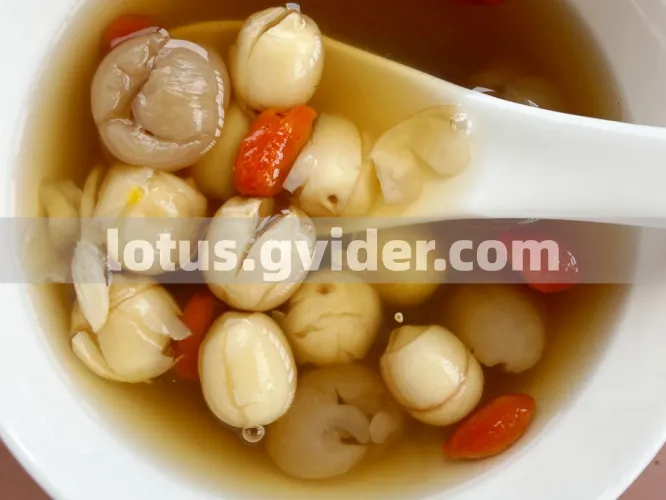
Elevating Your Dishes
Lotus seeds add a mild nuttiness and a crisp bite, making them suitable for sweet and savory recipes, especially in delicious Chinese desserts. They’re a nutritionally notable source of fiber, potassium, and B vitamins. For optimum flavors, soak dry lotus seeds overnight, sloughing off the bitter green vein for cooking. A pressure cooker, such as an instant pot, would fast-track that. Various techniques like steaming or stir-frying impart unique flavors and textures, giving cooks around the world the freedom to play.
Sweet Applications
Lotus seed paste is a staple of many traditional sweets. It adds a creamy, subtly sweet taste to mooncakes, a delicacy savored across the globe during celebrations. In sweet soups, the whole lotus seed is a comforting, tender bite. It combines well with red beans, dried fruits, or coconut milk.
Tossing lotus seeds into puddings or custards provides an unusual texture that is soft but with a bit of a bite. For something different, blend cooked lotus seeds into a paste and layer them in parfaits. Lotus seed paste buns are a hit, blending fluffy bread with a luscious filling.
Savory Pairings
For a more robust, balanced meal, try stir-fried lotus seeds with mixed vegetables. The nutty notes of the seeds are a nice complement to bell peppers, snap peas and mushrooms. For a more robust taste, incorporate them in consommés or chicken soups. They soak in and impart it.
When added to rice dishes, lotus seeds provide both protein and texture. Just throw them in during the final cooking phase. When combined with proteins like chicken or shrimp, lotus seeds maintain their form and provide a nice crunch. A drizzle of sesame oil or a dusting of white pepper can bring it all together.
Textural Contrast
| Cooking Method | Outcome | Best Use |
| Boiling | Soft, tender | Soups, desserts |
| Steaming | Firm, chewy | Stir-fries, salads |
| Roasting | Crunchy, toasted | Snacks, toppings |
Spice up your dishes by adding boiled lotus seeds to salads for a subtle crunch or incorporating them into sauces to create a silky, thicker texture. Roasted lotus seeds make a great garnish, adding texture and visual appeal. Allowing cooked lotus seeds to rest, covered, off the heat for 30 to 60 minutes allows them to finish cooking and achieve the perfect texture.
A Chef’s Perspective
Preparing with lotus seeds, particularly organic lotus seeds, creates countless opportunities to reinvent your old standbys and introduce new dishes, including traditional Chinese desserts, to your repertoire. Chefs worldwide seek innovative ways and fearless plating to enhance these seeds, discovering how to mix flavor and beauty on each plate.
Beyond Tradition
- Lotus seed and roasted beetroot salad with citrus vinaigrette
- Crisp lotus seed tempura paired with spicy dipping sauce
- Creamy lotus seed hummus served with flatbreads
- Lotus seed-stuffed rice rolls for an herbal starter
- Chilled coconut lotus seed pudding for dessert
- Chocolate-dipped lotus seeds with sea salt flakes
- Add lotus seeds to grain bowls for texture and crunch.
- Toasted lotus seeds for yogurt or porridge.
Tasty small plates are a hit, and lotus seeds can be the headliner of an amuse-bouche. Imagine a spoonful of stewed lotus seeds doused with chili oil and fresh herbs. You can toss cooked lotus seeds into sweet rice cakes or blend them into a mousse to create a delightful Chinese dessert. It’s easy to get in a rut, but free spirits who are open to mixing in different spices or sauces can discover new favorites.
Modern Techniques
Sous-vide the lotus seeds to achieve an even, soft texture. Pro tip: turn the heat down low and let the seeds absorb goodness from herbs or stock. Air fryers add a light crisp with no heavy oil. For a fresh take, try spherification—molecular gastronomy transforms lotus seed puree into velvety pearls for salads or soups.
Pressure cookers are so time efficient, and every seed gets cooked all the way through. Once soaked overnight, a chef might pressure cook or stove top simmer the seeds. Boosting with sea salt or a pour-and-boil spice blend provides instant indulgence. Sprouts are optional; you can fish them out after boiling if you like. Refrigerate cooked seeds up to four days.
Plating and Presentation
Contrast is crucial. Match lotus seeds with bright vegetables or white plates to let the seeds sparkle. A sprinkle of fresh herbs, edible flowers or radish thin slices adds color and dimension.
Plant seeds in straight rows or little groups for a tidy appearance. Watch the ratios so that lotus seeds don’t overpower the plate! Whether served in tasting bowls, on tasting spoons, or as a component of a composed plate, this meal feels special.
Adapting for Wellness
Lotus seeds, particularly organic lotus seeds, adapt well to most wellness diets due to their fiber, potassium, and B vitamins. Their subtle flavor and adaptable texture allow you to use them in various foods, including sweet or savory dishes. With a few clever swaps, you can cook lotus seeds to highlight their wellness appeal in a variety of diets.
Low-Sugar Options
Lotus seed paste is a subtle, natural dessert sweetener that reduces the amount of refined sugar. For instance, you can process cooked lotus seeds into a fine paste and replace sugary fillings for pastries or mooncakes. Others incorporate monk fruit or stevia as a sugar alternative, which can maintain sweet flavors in desserts while decreasing calorie content.
Sweet dishes such as lotus seed soup or stir-fried vegetables utilize the seeds to provide substance and a subtle, nutty flavor without the need for additional sugar. A bit of citrus zest or warming spices like cinnamon or cardamom will help balance flavors, allowing you to cut back on sugar while still keeping desserts delicious and decadent.
Nutrient Retention
Steamed or lightly boiled lotus seeds retain most of their nutrients. Overcooking can mush them and cause some nutrient loss, so test texture frequently while you cook. Munching on raw lotus seeds or sprinkling them on salads as a snack can provide the complete dose of fiber and B vitamins.
Once cooked, allow lotus seeds to cool and refrigerate them in an air-tight container. This keeps their texture and nutrients intact for the week’s meals. Lotus seeds are sometimes soaked overnight prior to cooking, which makes them easier to digest and takes less boiling or steaming time.
Allergen-Friendly
Lotus seeds are a great replacement for tree nuts or peanuts in recipes, particularly for those with allergies. Switching out wheat flour for lotus seed in your cookies or bread creates a gluten-free, delicious treat. The seeds find their way into vegan fare, contributing protein and a tender bite to plant-based stews or burgers.
Always look at other ingredients for hidden allergens, especially when you’re making recipes for others with allergies. With their low copper content, lotus seeds may be appropriate for individuals who must restrict copper in their diets.
Conclusion
Lotus seeds do well in many kitchens. They’re mild tasting, absorb flavor and provide a soft bite. Add them to soups, stir into rice, or sprinkle in sweets. They’re beloved by cooks for their easy prep and simple recipe substitutions. Their tender chew and pure flavor suit contemporary and traditional dishes alike. Some incorporate them for a boost in everyday meals or snacks. For a delicious twist on your next meal, include lotus seeds. They behave well in both sweet and savory dishes. Experiment with fresh applications, discover cosmetics that suit you, and indulge in their plain allure.
Frequently Asked Questions
What are lotus seeds?
To cook lotus seeds, commonly used in Asian cooking and herbal remedies, you can boil them in water or use an Instant Pot for convenience.
How do you prepare dried lotus seeds for cooking?
Soak organic lotus seeds in cold water for 6 to 8 hours or overnight soaking. Drain and rinse before cooking, which softens them and makes them easier to incorporate into foods.
Can you eat fresh lotus seeds raw?
Yes, fresh lotus seeds can be consumed raw. Take out the bitter green core inside, yum.
How long do lotus seeds take to cook?
Cook soaked dry lotus seeds in boiling water for approximately 30 to 40 minutes until tender, or use an instant pot for faster results. Fresh lotus seeds cook in about 15 to 20 minutes.
What are the health benefits of lotus seeds?
Lotus seeds are full of protein, fiber, and minerals. They potentially support heart health, digestive health, and energy.
How do you use lotus seeds in cooking?
You can add organic lotus seeds in soups, stews, desserts, and salads; they take on flavors like a sponge, adding a velvety nutty texture.
Are lotus seeds suitable for special diets?
Yes, lotus seeds are gluten-free and suitable for vegan, vegetarian, and many wellness-focused diets, including those that incorporate organic lotus seeds. As with anything, check for allergies before consumption.
Article author: Gvider | Lotus Supplier
Original source: https://lotus.gvider.com/how-to-cook-lotus-seeds/
